Non-Alcoholic Gin: Choosing and Mixing Alternatives
Non-alcoholic gin usually means a botanical alternative for gin-style drinks.
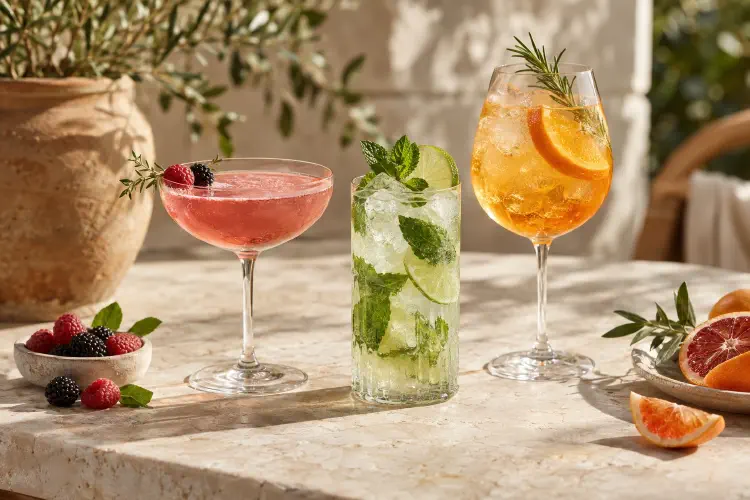
Non-alcoholic gin usually means a botanical alternative for gin-style drinks. Choose it according to how it works with your preferred tonic.
How to choose a base
Look for the described direction: juniper, citrus, herbs or flowers. A strongly floral base does not automatically need a floral tonic. Reinforcing many flavours at once can make the drink muddled. Start with a restrained tonic and one lemon twist.
A simple starting drink
Mix 50 ml base and 120 ml tonic in a glass of ice. If the botanicals are weak, reduce tonic to 100 ml. If bitterness dominates, replace 30 ml tonic with soda. Consider extra syrup only after tasting.
Compare two products fairly
Taste a small chilled measure, then compare both candidates in the same recipe. Use the same mixer, quantities and amount of ice. Note whether the base remains noticeable after dilution, how sweet it seems and which finish you prefer. Adjust the ratio afterwards. This avoids confusing a better mixer with a better base.
Labels and shopping
Check the product type, alcohol statement and after-opening storage instructions. If you specifically want 0.0%, choose by that statement rather than the word “non-alcoholic” alone. Compare cost per serving too: bottle volume divided by your measure gives the theoretical number of drinks. Check current prices and stock with the retailer.
Must a good alternative taste like gin neat?
The intended use matters. A base may work well in a highball even when its neat flavour differs from an alcoholic spirit.
Full recipe: non-alcoholic gin and tonic .