Non-Alcoholic Gin and Tonic: Ratio and Garnish Guide
A non-alcoholic gin and tonic works best when the tonic complements rather than overwhelms the botanical base.
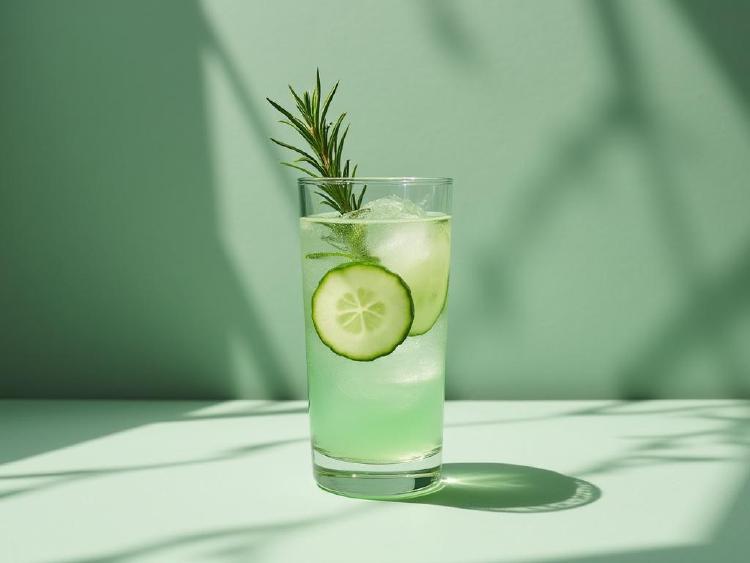
A non-alcoholic gin and tonic works best when the tonic complements rather than overwhelms the botanical base. Start with a straightforward ratio and one garnish. More ingredients do not automatically improve a simple long drink.
The quantities make one serving. Measure the ingredients before mixing and chill any mixer. Syrups, juices and bottled alternatives vary in sweetness and acidity, so taste the base before topping up.
Ingredients for one serving
- 50 ml non-alcoholic gin alternative
- 120 ml chilled tonic water
- Large ice cubes
- 1 thin strip of lemon peel or 2 cucumber slices
Method
- Fill a large glass with ice.
- Measure and add the gin alternative.
- Pour tonic slowly down the side of the glass.
- Stir gently once and choose one garnish.
Getting the balance right
The starting ratio is roughly one part base to two and a half parts tonic. If you can barely taste the botanicals, try 100 ml tonic next time. If the flavour is too intense, add 20 ml soda. A strong tonic can influence the result more than the garnish.
Variation and substitutions
A floral tonic changes the flavour direction, so try it without extra herbs first. A suitably labelled mixer can reduce sweetness. Check the base as well before describing the entire drink as sugar-free.
Preparing several servings
Measure juice, purée and syrup shortly before serving. Add ice and carbonated ingredients when you make the drink. To serve a group, multiply the quantities, but adjust one glass first before mixing the whole pitcher.
Common question
Can I replace tonic with soda?
Yes, but soda supplies neither tonic’s characteristic bitterness nor its sweetness. The result is a different, usually more restrained botanical highball.
Related recipes
Find more ideas in our mocktail recipe guide . Compare this with Non-Alcoholic Gin: Choosing and Mixing Alternatives or browse the drink collection .